
























Soccer Camp Essentials: What Players Should Pack
A soccer camp day can start on a cool field and end with sun-baked cleats, tired legs, and one water bottle nobody can find.
The best soccer camp essentials are not about packing every piece of equipment in the house. They are the items that help a player stay comfortable, hydrated, organized, and ready to get more out of each training session.
For youth families, a good packing routine prevents the last-minute scramble at check-in. For teenage and adult players, it means less time borrowing equipment and more time focused on training.
The camp’s own instructions always come first, but this checklist covers what belongs in most day-camp bags and what to add for longer or overnight programs.
Soccer Camp Essentials Checklist
For most soccer camps, start with these basics:
- Soccer cleats or turf shoes appropriate for the playing surface
- Shin guards
- Soccer socks plus an extra pair
- Training shirt and shorts
- Large labeled water bottle
- Soccer ball if the camp requires players to bring one
- Sunscreen
- Simple snacks or lunch when required
- Lightweight weather layer
- Change of clothes
- Small towel
- Plastic or wet bag for damp clothing
- Personal medical items handled according to camp rules
Labeling the player’s ball, bottle, backpack, and clothing can save a surprising amount of confusion when dozens of players arrive with similar gear.
Start With the Gear That Goes on the Field
The most important equipment is what the player actually trains in.
A properly fitted pair of soccer cleats should be near the top of the list. Before camp begins, confirm the primary playing surface.
Firm-ground cleats are commonly used on natural grass. Turf shoes are designed differently and may be more appropriate for shorter artificial surfaces. Some camps rotate players between fields, so ask the organizer if the surface is unclear.
Avoid making the first morning of camp the first serious session in a new pair of cleats. Give the player time to wear them during shorter training sessions beforehand and make sure there are no obvious pressure points or heel movement.
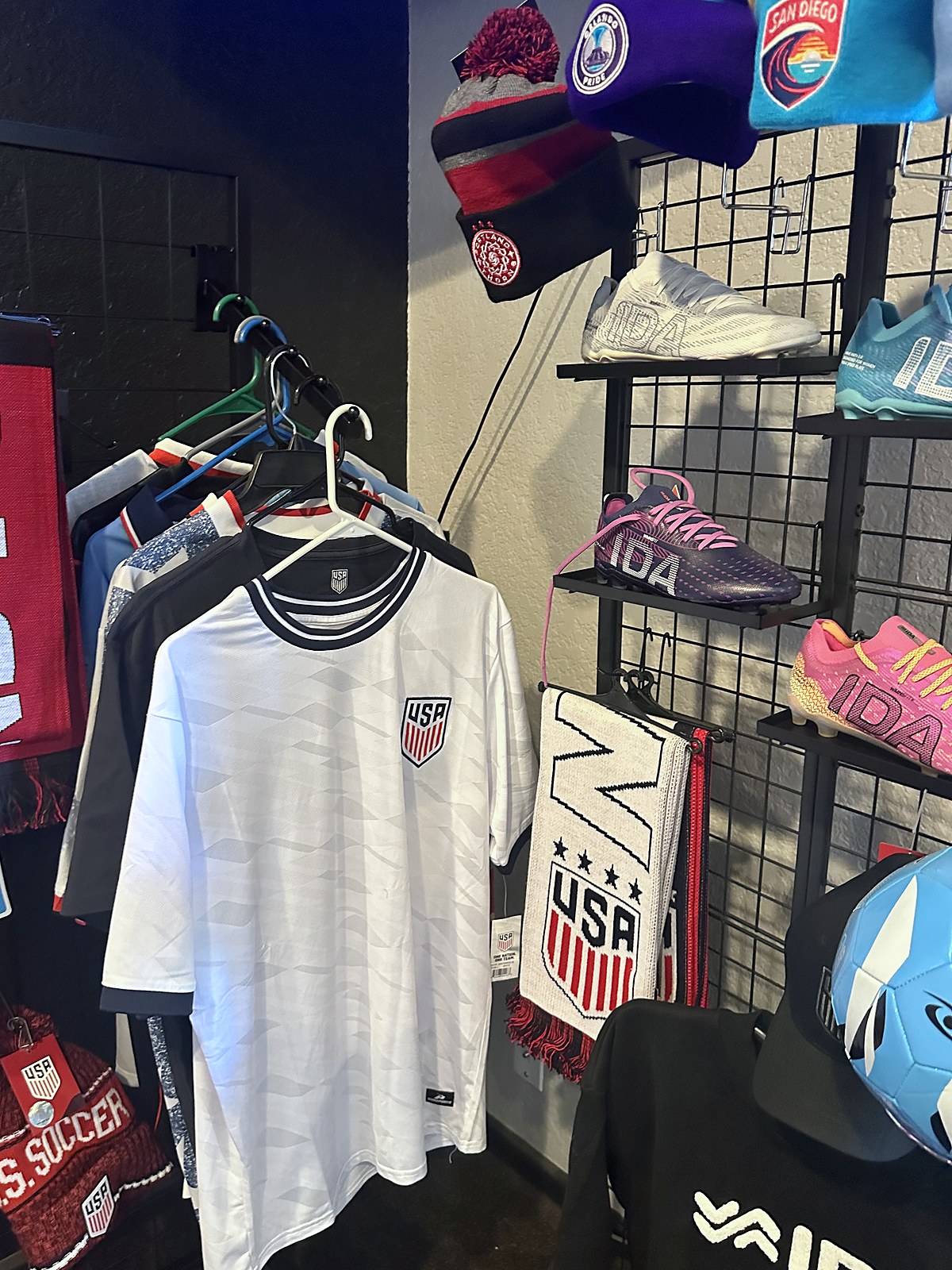
For female players who have struggled with traditional cleat fit, AMH Goods’ guide to IDA Sports cleats and women’s-specific fit explains another option for choosing soccer footwear.
Do Players Need Shin Guards at Soccer Camp?
In most active soccer camps, players should expect to bring shin guards unless the organizer specifically says otherwise.
Pack them with the socks and cleats rather than loose in the bottom of the bag.
An extra pair of soccer socks is also worth the small amount of space it takes. After a wet morning session, a hot afternoon, or several hours of training, changing into dry socks can make the rest of the day much more comfortable.
If the camp asks players to bring their own ball, write the player’s name on it clearly. A field full of nearly identical soccer balls is an easy place for one to disappear.
Hydration Is Part of Soccer Camp Equipment
A water bottle is not an accessory at summer soccer camp.
The CDC advises athletes exercising in hot conditions to drink more water than usual and not wait until they feel thirsty. It also recommends pacing activity, wearing appropriate clothing, taking heat seriously, and stopping activity if an athlete feels faint or weak.
Parents, coaches, and older players can review the CDC’s current heat safety guidance for athletes.
For outdoor camps around Meridian, Boise, Nampa, Caldwell, and the Treasure Valley, summer heat should be part of the packing plan.
A large reusable bottle is usually easier to manage than several disposable bottles. An insulated bottle can also help keep water cooler during a long outdoor day.
Make sure it is clearly labeled.
What Food Should a Player Bring to Soccer Camp?
Follow the camp’s rules first, especially for allergies and food restrictions.
For a full-day camp, choose food that is easy to transport and familiar to the player. Camp day is generally not the best time to experiment with unfamiliar meals.
Depending on the schedule and refrigeration available, practical options can include:
- Fruit
- Crackers or pretzels
- Sandwiches
- Yogurt kept properly chilled
- Nut-free snack bars where required
- A simple recovery snack for the ride home
The goal is not an elaborate sports-nutrition plan. It is to make sure a player has enough food and water available for the length and intensity of the day.
Dress for the Weather, Not Just the Photo
A soccer camp can involve several different conditions in one day.
Start with a breathable training shirt, shorts, soccer socks, and the appropriate footwear. Then pack a lightweight layer that can be added between sessions if temperatures drop.
For outdoor camps, sunscreen belongs in the bag. Apply it before leaving home and follow the product’s directions for reapplication.
A favorite jersey can make arrival or lunch more fun, but it does not need to be the player’s only training shirt. Camps mean sweat, grass, dirt, and repeated sessions.
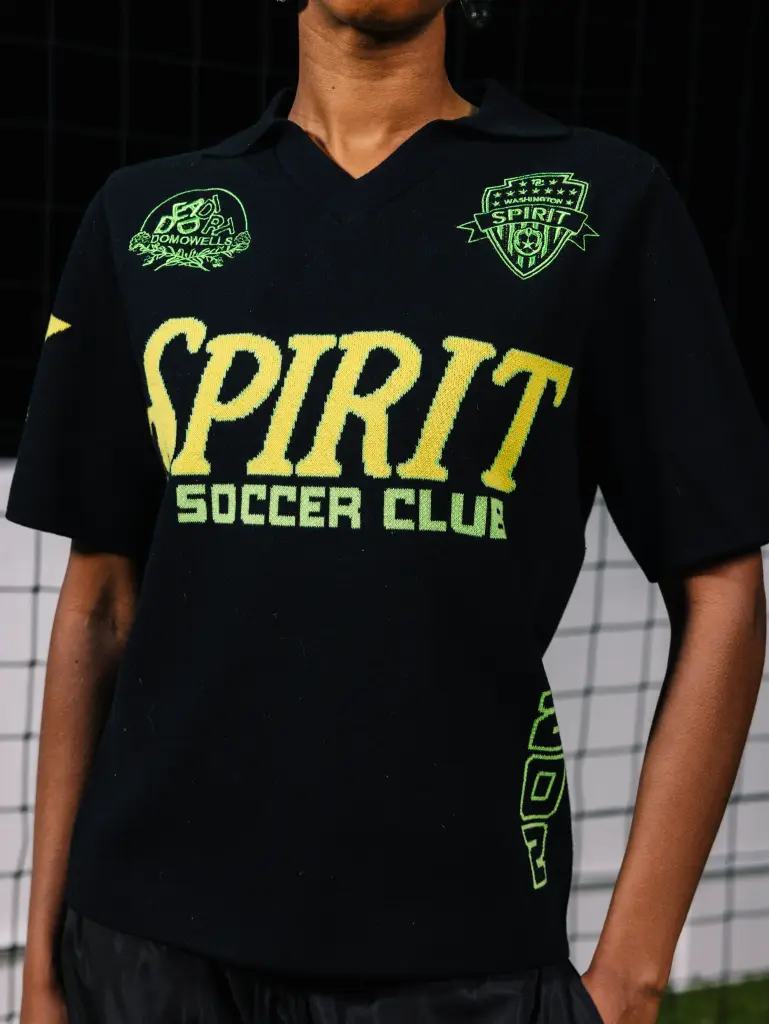
Save the favorite USWNT, NWSL, Argentina, club, or player jersey if the athlete would rather not turn it into camp laundry.
Fit Matters, Especially for Growing Players
Camp involves repeated running, cutting, passing, and small-sided games. Footwear that feels slightly uncomfortable during a short try-on can become much more noticeable after hours of activity.
A cleat should feel secure through the heel and midfoot without painful pressure. There should be enough room for natural toe movement without excessive extra length.
For girls and women, having access to footwear developed around female players creates another meaningful fit option.
AMH Goods serves players and families throughout the Treasure Valley, and select IDA Sports women’s soccer cleats and soccer apparel are available locally through Elite International Soccer Training in Nampa, Idaho. Learn more about AMH Goods and its local soccer connection on the AMH Goods About page.
Small Soccer Camp Essentials That Solve Big Problems
The smallest items are often the ones players wish they had remembered.
Useful additions include:
- Bandages or blister supplies normally used by the family
- Hair ties
- Travel wipes
- Deodorant for older players
- Small towel
- Plastic bag for wet or muddy clothing
- Spare socks
- Backup training shirt
Medications should always be handled according to the camp’s stated check-in and medical procedures rather than simply being placed loose in a child’s bag.
For overnight soccer camps, add the clothing, toiletries, bedding, shower items, and other supplies specifically requested by the program.
Do Not Overpack the Soccer Bag
Being prepared does not mean sending a younger player to the field carrying luggage.
Leave expensive jewelry and unnecessary valuables at home. Unless the camp asks for them, players usually do not need several soccer balls, multiple pairs of casual shoes, or half their soccer wardrobe.
The best final step is simple:
Read the camp email one more time.
Some camps provide soccer balls. Some require them. Some provide lunch. Others require families to pack it. There may also be specific shirt colors, medical forms, check-in instructions, or equipment requirements.
The organizer’s instructions always take priority over a general packing guide.
Soccer Camp Essentials FAQ
What are the most important things to bring to soccer camp?
Start with appropriate soccer footwear, shin guards, socks, training clothing, water, sunscreen, and any camp-required ball or medical information.
Should I bring new cleats to soccer camp?
New cleats are fine if they have already been tested. Avoid making an all-day camp the first extended wear of a brand-new pair.
Should soccer players bring an extra pair of socks?
Yes. An extra pair takes little space and can be useful after wet fields, heavy sweating, or multiple training sessions.
Does my child need to bring a soccer ball?
That depends on the camp. Check the registration information because some programs require a labeled ball while others provide them.
What should players bring to soccer camp in hot weather?
Bring plenty of water, lightweight training clothing, sunscreen, and whatever additional heat-related items the organizer recommends. Players should also follow camp water breaks and heat-safety procedures.
Pack the Night Before and Enjoy the Game
The easiest soccer camp morning starts the night before.
Lay out the training clothes. Check the cleats and shin guards. Fill or prepare the water bottle. Label the ball. Put the sunscreen and extra socks in the bag.
Let younger players participate in the process. Knowing where their own equipment is helps them become more responsible for their gear and gives them one less thing to worry about when they arrive.
At AMH Goods, soccer is about more than equipment. It is about players getting opportunities to train, improve, make friends, compete, and enjoy the game.
A great camp bag does not need to be expensive or overloaded.
It simply needs to help a player arrive prepared, comfortable, and ready for the next touch on the ball.