





















A girls team walks into a soccer store looking for cleats, and too often the best option is still a scaled-down version of something made for men. That gap says a lot about the future of womens soccer retail. The next era will not be defined by more pink product drops or one-off tournament campaigns. It will be shaped by whether players and fans can actually find the right gear, in the right fit, at the right price, without having to settle.
That matters because women’s soccer is no longer a niche corner of the sport. It is a major part of where the game is growing, where new fans are showing up, and where families are investing. Retail has to catch up. The brands and stores that win will be the ones that treat women’s soccer as a year-round category with real depth, not a seasonal add-on.
What the future of womens soccer retail really looks like
The biggest shift ahead is simple. Women’s soccer retail is moving from symbolic inclusion to practical support. For years, the market often focused on visibility first. Visibility still matters, but fans and players now expect more than a jersey release tied to a big moment. They want a full shopping experience that reflects how they actually live in the game.
For players, that means products designed around female athletes instead of adapted late in the process. For fans, it means easier access to club gear, national team apparel, lifestyle pieces, and gifts that feel current rather than leftover. For parents, it means not having to search five different places to outfit a daughter for the season.
The retailers that understand this shift will think beyond one product type. A women’s soccer customer might be shopping for match-day apparel, training gear, a backpack for tournaments, and performance footwear in the same visit. That is not a side category. That is a complete soccer customer.
Fit will stop being an afterthought
One of the clearest signs of progress will be how the market handles fit. This goes beyond sizing labels. Female players have long dealt with gear that was available, but not really made for them. In retail terms, that creates friction at every step. Customers second-guess sizing, return rates rise, and trust erodes.
The future is better product design from the start. Cleats built specifically for women are a strong example because they address a need that players feel immediately. The same logic applies to training apparel, fanwear, and youth gear. Better fit does not just improve comfort. It signals that the customer was considered from day one.
This is also where retail becomes more than inventory management. A store that actively curates products for female athletes is doing something valuable for the game. It is reducing the quiet compromises players have been asked to make for years.
Representation will move from marketing to merchandising
A lot of brands have gotten better at featuring women players in campaigns. That is good, but the stronger test is what happens on the product page, in the category menu, and in inventory planning. Real representation shows up in what is easy to shop.
If women’s club gear is hard to find, understocked, or limited to a few headline items, the message is clear even if the marketing says otherwise. The future of womens soccer retail depends on merchandising that gives women’s teams, leagues, and athletes a permanent seat at the table.
That includes NWSL products, women’s national team gear, and apparel tied to the players fans actually follow. It also includes youth options. Young players want to wear the names and colors that reflect the game they watch. When retail makes those choices visible and accessible, it helps fandom grow earlier and stick longer.
The next growth engine is not just fandom
Jerseys will always matter. They are identity, memory, and match-day ritual all at once. But the future market is bigger than jersey sales alone.
Women’s soccer retail is expanding into lifestyle. Fans want track jackets, tees, scarves, bags, and everyday apparel that let them carry the sport beyond kickoff. That shift matters because it changes how often people shop. Instead of buying only around major tournaments or new kit launches, customers engage with the category across the year.
There is a trade-off here, though. As lifestyle demand grows, retailers still need to protect authenticity. Fans can tell the difference between soccer culture and generic fashion wearing soccer colors. The best assortments will feel rooted in clubs, national teams, players, and supporter identity, not just trend chasing.
Families will shape the market more than hype cycles
One of the most overlooked forces in soccer retail is the family buyer. Parents are not shopping for a social media moment. They are balancing cost, quality, fit, and excitement, often for growing kids whose needs change fast.
That is especially true in girls soccer, where demand for better gear is rising alongside participation. The stores that earn loyalty will make things easier. They will organize products clearly, offer meaningful selection, and price gear in a way that feels reachable for real households.
Accessible pricing does not mean cheapening the experience. It means respecting the fact that soccer is part passion and part practical budget decision. That balance is where trust gets built.
In communities where youth soccer is growing quickly, including places like Boise and the Treasure Valley, this matters even more. Families want access without specialty-store markups, and they want gear that reflects where the game is headed, not where retail used to be.
Digital shopping will get smarter, but curation still wins
Since so much of soccer retail now lives online, the future will depend on digital experience as much as product selection. But smarter digital retail does not just mean more filters and bigger catalogs. It means guiding customers toward what actually fits their needs.
A fan might start by looking for a favorite player’s jersey and end up shopping by club, league, or accessory type. A parent might begin with cleats and then add socks, training tops, and a backpack. The strongest online stores will understand those paths and make them feel intuitive.
There is a temptation in ecommerce to assume endless choice solves everything. It does not. Too much clutter can make an exciting category feel confusing. Curation matters, especially in women’s soccer, where shoppers have often had to work harder to find the right products. Clear organization, strong assortment, and obvious product relevance will beat noisy abundance.
Purpose will matter, but only if it is backed by action
The women’s game has created a new standard for what customers expect from the brands they support. People do care about mission. They want to buy from retailers that take women’s soccer seriously and help move it forward.
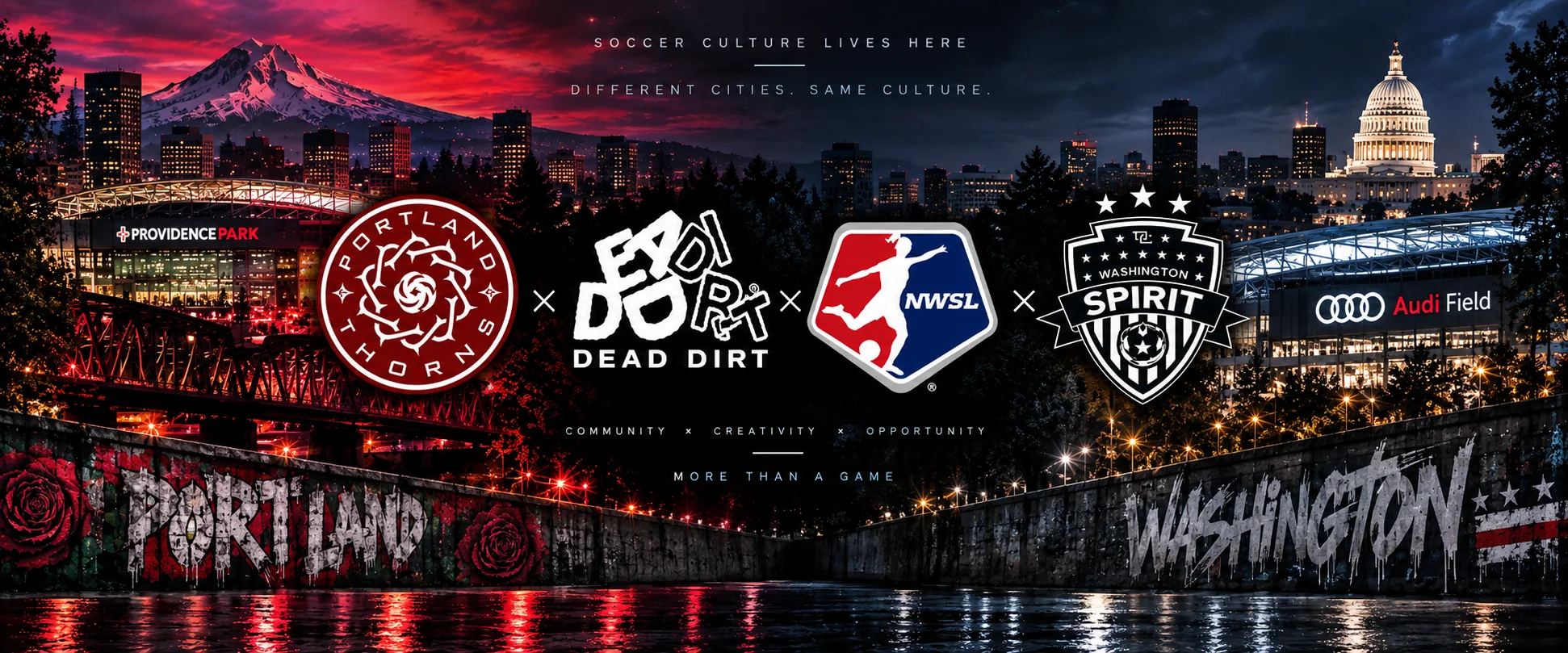
But purpose-led messaging has to be matched by real decisions. That could mean carrying more women’s team merchandise year-round, making female-specific performance products easier to find, or building a product mix that serves players and supporters instead of treating one group as secondary. Dead Dirt and the NWSL collaboration can be found here.
This is where a retailer can become part of the sport’s growth, not just a spectator to it. AMH Goods fits that direction by pairing broad soccer demand with a clear commitment to female players, including access to products built specifically for women rather than adapted as an afterthought.
What brands and retailers need to get right next
The opportunity in front of women’s soccer retail is not mysterious. Customers are already showing the market what they want. Better fit. Better visibility. Better access. More team and player options. Fair pricing. A shopping experience that respects both fandom and function.
What makes this moment interesting is that there is no single winner-take-all formula. Some customers shop for performance first. Others shop for club identity, gifts, or youth basics. Some want premium pieces. Others need value and durability. The retailers that grow with the game will be the ones that can serve those different needs without losing focus.
That means treating women’s soccer as a long-term retail category with depth, not a short-term trend. It means building assortments that reflect how players train, how fans dress, and how families buy. It also means recognizing that the women’s game is not asking for charity from the market. It is earning demand on its own terms.
The best part of the future of womens soccer retail is that it should feel less like catching up and more like finally getting it right. When players can find gear made with them in mind, when young fans can wear the teams and athletes they love, and when families can shop without the usual hassle, retail stops being a barrier and starts doing what it should have done all along – helping more people belong in the game.


