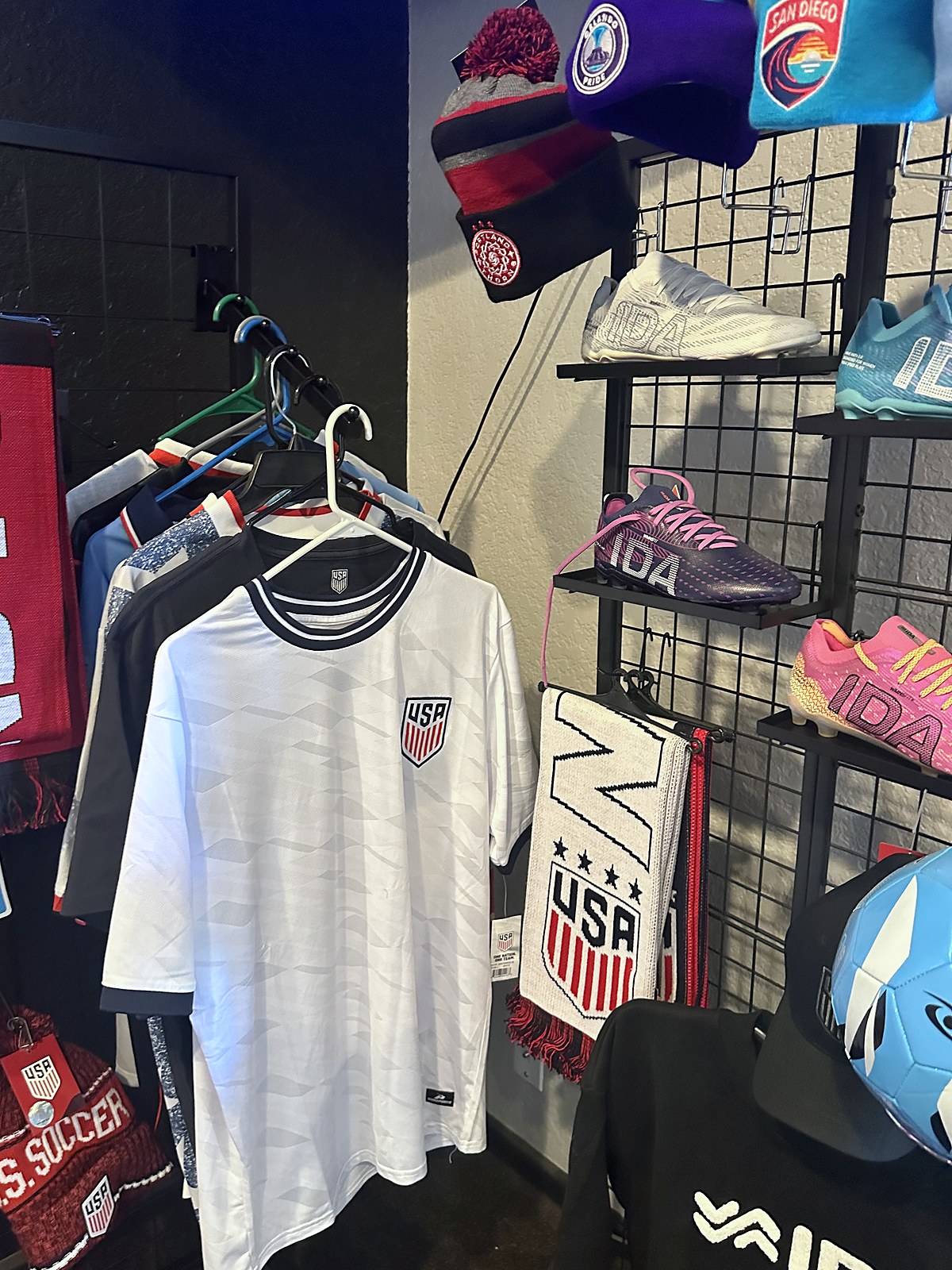

























The first time you see a player stop blaming her feet and start trusting her cleats, you get why this category matters. An honest IDA women’s cleats review is not just about colorways or brand hype. It is about whether a boot built for women actually changes the feel of training, matches, and the long walk back to the car after both.
For years, many women and girls played in cleats shaped from a men’s fit model, often sizing down and hoping for the best. That has always been a compromise, not a solution. IDA Sports built its cleats specifically for female athletes, and that alone makes them worth a closer look. The bigger question is whether that women-first design shows up where it counts – comfort, lockdown, traction, touch, and long-session wear.
IDA women’s cleats review: what stands out first
The biggest difference is fit. IDA cleats are designed around a women-specific last, which means the shape of the boot is built for the foot it is meant to serve. In practical terms, that usually means a better heel fit, a more natural midfoot wrap, and less of that sloppy extra space that can make a cleat feel secure in the store but unstable once you start cutting and accelerating.
That matters for more than comfort. When your foot sits correctly inside the boot, you notice cleaner planting, less sliding on hard cuts, and a more connected feel on the ball. Not every player describes it the same way, but many will recognize the difference quickly. It feels less like adapting to the cleat and more like the cleat is finally meeting you where you play.
The break-in period also deserves mention. IDA cleats tend to feel more wearable earlier than many boots that need several painful sessions before they soften up. That does not mean every player can skip the usual cautious first few wears, especially for matches, but it does mean the adjustment can feel less punishing.
Fit and comfort are the real story
If you are shopping for a female player, this is where IDA makes its strongest case. Plenty of cleats look fast. Fewer actually respect the shape of a woman’s foot. IDA’s fit tends to suit players who have struggled with heel slip, pressure through the forefoot, or that too-tight, too-loose paradox that happens when a boot was not really made for them in the first place.
Comfort is not just about softness. It is about whether the cleat holds the foot without creating hot spots. IDA generally does a good job here. The heel lockdown is one of the more meaningful strengths, especially for players who need confidence when changing direction. The upper usually feels supportive without being overly stiff, and that balance helps across different levels of play, from club sessions to more competitive match environments.
That said, fit is still personal. Players with especially wide feet may need to pay close attention to sizing and shape, because women-specific does not automatically mean universally roomy. On the other hand, players with narrow heels and average-width forefeet may feel like these finally make sense in a way other boots did not.
Who will notice the fit difference most
Youth players moving into more serious soccer often notice it right away because they are training more often and spending longer in their cleats. High school and club players who cut, press, and change pace constantly may appreciate the secure feel even more. Parents may notice something simpler but just as valuable – fewer complaints after training and less trial-and-error with sizing.
On-field feel: traction, touch, and movement
A cleat can fit well and still fall flat once the whistle blows. IDA holds up best when you look at the full playing experience rather than one flashy feature.
Traction is dependable, which is what most players actually need. Not every athlete wants the most aggressive stud pattern possible. For many, especially those balancing training on different natural grass surfaces, the better outcome is traction that feels stable and predictable. IDA cleats generally land in that sweet spot. You can plant, turn, and accelerate with confidence, but the underfoot feel does not come off as overly harsh.
Touch on the ball is solid rather than exaggerated. If you are expecting a paper-thin barefoot sensation, your impression may depend on the model and your preferences. But if you want a boot that gives a clean, controlled feel without making comfort the sacrifice, IDA makes a strong argument. This is a performance-first experience, but one that stays grounded in the realities of how most players actually train and compete.
Movement is where the fit and traction come together. A cleat that keeps the foot centered can make changes of direction feel more natural. That will not turn anyone into a different player overnight, but it can remove the distractions that get in the way of confidence.
Durability and everyday value
Families shopping for cleats are not only asking how they feel in minute 10. They are asking how they hold up in month three. That is especially true when you are buying for a player training multiple times a week.
IDA cleats generally present good value because the design focus is not gimmicky. You are paying for a women-specific performance product, which is meaningful if the fit works for you. The upper and construction tend to feel made for real use, not just shelf appeal. As always, durability will depend on frequency of play, field conditions, and whether the cleat is being used on the surface it was intended for.
The trade-off is that some players who chase the lightest possible boot may prefer a different feel. IDA’s advantage is not extreme minimalism. Its advantage is a more thoughtful platform for female athletes who want support, comfort, and performance to coexist.
Is the price justified?
For the right player, yes. The value is easier to justify when the alternative has been buying men’s or unisex cleats that never fit quite right and wear badly because the foot is moving around inside them. A better fit can mean a better experience across the season, and that is worth something. If the budget is tight, the question becomes less about whether IDA is “premium” and more about whether solving the fit problem now prevents buying the wrong pair first.
Where IDA cleats may not be perfect for everyone
A fair IDA women’s cleats review should include the it-depends part. These are not magic boots, and not every player will have the same reaction.
If you are deeply attached to an ultra-thin, speed-boot feel, IDA may feel more structured than what you are used to. That is not a flaw. It is a preference issue. Some players want more sensation and less material. Others want a little more support through the full session.
Sizing also still matters. Even with a women-specific design, no cleat solves every foot shape. Trying to guess too aggressively on size can create the same problems you were trying to avoid. Players between sizes or with unusual width needs should be especially careful.
There is also the reality that younger players grow fast. For parents, the temptation is always to buy a little room to stretch the lifespan. But in cleats, too much extra space usually creates more problems than savings. A better fit now often means a better season.
Who should consider IDA first
IDA cleats make the most sense for female players who have never felt fully locked in by mainstream options. They are especially compelling for players dealing with heel slip, awkward midfoot volume, or recurring discomfort from cleats that were close enough but never actually right.
They also make sense for families who want gear choices that reflect where the game is going. Women’s soccer is growing at every level, and players deserve equipment designed with that in mind. That does not need to be treated as a niche idea anymore. It is simply good product design meeting a real need.
For casual players, IDA may still be worth it if fit has been an issue. For competitive players, the case gets stronger because small discomforts become big distractions over a long season. And for girls coming up in the game, wearing cleats built for them sends a message that should have been standard all along – your game is not an afterthought.
One reason this matters to us at AMH Goods is simple: access shapes confidence. When players and families can actually find women-specific gear without sorting through a wall of compromises, the sport feels more open to everyone who loves it.
The best cleat is still the one that matches your foot, your level, and your style of play. But if you are a female player who has spent too long adjusting to boots that were never really built for you, IDA is more than an interesting alternative. It is a credible shift in the right direction, and for a lot of players, that shift is going to feel long overdue.