
























The wrong cleats can ruin a good match fast. Heel slip, cramped toes, pressure on the arch, or studs that feel unstable on the field can turn something simple into a weekly frustration. If you’re asking which soccer cleats for women make the most sense, the real answer starts with one thing many players have been told to ignore for too long – women’s feet are not just smaller versions of men’s feet.
That matters more than branding, color, or whatever a pro wore last weekend. The best cleat for a female player is the one that matches how her foot is built, where she plays, and what the surface demands. For girls in youth soccer, high school players, adult rec players, and competitive athletes, a better fit usually means better comfort, more confidence, and fewer distractions once the whistle blows.
Which soccer cleats for women should you start with?
Start with fit before anything else. A lot of women have spent years sizing down in unisex or men’s models because that was the easiest option on the shelf. Sometimes that works well enough, but well enough is not the same as right.
Women’s-specific cleats are often shaped with a narrower heel, a different instep profile, and proportions that reflect how many female athletes’ feet are built. That does not mean every woman needs a women’s-specific model, and it does not mean every unisex cleat is a bad choice. It means fit should be tested, not assumed.
If your heel lifts when you cut, the cleat is not secure enough. If your toes are smashed from the first training session, it is too short or too narrow. If the midfoot feels tight and the forefoot feels loose, that shape may just be wrong for you, even if the size seems correct.
This is one reason women’s-focused footwear has become a bigger conversation across the game. Players deserve gear built around their needs, not gear they have to adapt to.
Surface matters more than most players think
Before comparing brands or silhouettes, check the field you play on most often. The same player can love one cleat on natural grass and hate it on turf.
Firm ground cleats
Firm ground cleats are the standard pick for natural grass fields that are dry or slightly damp. They usually have molded studs designed to give traction without feeling too aggressive. For many players in the U.S., this is still the most common starting point because it covers a lot of weekend match conditions.
If you mostly play outdoor soccer on grass, firm ground is usually the safe answer. But if your local fields get hard and dry for long stretches, the stud pressure can feel more noticeable, especially during longer sessions.
Turf shoes
Turf shoes have smaller rubber studs spread across the outsole. They are built for older turf surfaces and harder training grounds. They do not dig in like firm ground cleats, which can make them feel more comfortable for practices, small-sided games, and players who want a little less impact underfoot.
For many youth and adult rec players, turf shoes are underrated. They can be a smart choice if you spend more time on artificial surfaces than grass and care just as much about comfort as pure bite.
Artificial ground cleats
Some cleats are made specifically for modern artificial grass. These typically sit between firm ground and turf in terms of traction and feel. If you play most of your matches on newer turf fields, artificial ground models can be a better long-term match than trying to force one pair to handle every surface.
Fit is the real performance feature
Marketing usually leads with speed, touch, or control. Players usually care about whether their feet hurt after 20 minutes. That is why fit matters more than the headline feature.
Width and foot shape
A narrow-footed player may want a more locked-in, streamlined upper. A player with a wider forefoot may need more room across the toes, even if the heel still needs to stay secure. Leather or softer synthetic uppers can help if you want a bit more give. Stiffer speed-focused models may feel great for some players and unforgiving for others.
There is always a trade-off. A very snug cleat can feel responsive, but too much compression leads to discomfort and hot spots. A roomier cleat may be more forgiving, but if the foot moves around inside, touch and stability can suffer.
Heel lockdown
This is a big one for women because heel shape can make or break the feel of a cleat. If the heel pocket is too wide, every sprint and change of direction becomes a battle against slippage. That can lead to blisters and a constant feeling that the cleat never quite disappears on your foot.
A secure heel should feel held without rubbing. If you need to overtighten the laces just to keep the back of the foot in place, the shape is probably off.
Toe room
Your toes should not slam into the front of the cleat when stopping or cutting. At the same time, too much empty space can make the cleat feel sloppy. A close fit is good. A crushed fit is not.
For growing players, parents often buy too large to get more life out of the shoe. That is understandable, but oversized cleats can affect balance and comfort. It is usually better to get the right fit now than to ask a player to compete in something that feels unstable.
Position changes what feels best
There is no single answer to which soccer cleats for women are best because defenders, midfielders, forwards, and keepers often want different things.
A winger or forward may prefer a lighter, more minimal cleat that feels quick and close to the ball. A central midfielder may want a blend of touch, comfort, and lockdown for constant movement. A defender might care more about stability and traction during challenges and recovery runs. A goalkeeper may lean toward comfort and solid planting over ultra-light materials.
None of that should be taken too rigidly. Plenty of defenders love lightweight cleats, and plenty of attackers want something padded and stable. Position gives you a clue, not a rule.
Youth players and parents should think simple first
For youth players, the best cleat is usually not the most expensive one. It is the one that fits correctly, matches the surface, and feels comfortable through training and games.
A lot of families get pushed toward top-tier models because they look exciting or carry a player association. But younger players often do just as well, or better, in a mid-tier option that offers durability and comfort without the premium price tag. That is especially true when feet are still growing and a cleat may only last a season.
If a girl is serious about the game, plays multiple times a week, and has struggled to find a proper fit in standard models, women-focused cleats become even more worth the attention. Better fit is not a luxury feature. It can change how willing a player is to train, compete, and trust her movement.
When women-specific cleats are worth prioritizing
Not every female player needs a cleat designed specifically for women, but many benefit from one. If you have dealt with heel slip, pressure points, arch discomfort, or the feeling that your cleats are always almost right, that is a strong sign to stop settling.
Brands that design around female athletes are filling a gap the sport has had for years. That shift is good for players at every level, from local youth clubs to college and beyond. It gives girls and women more real choices instead of asking them to adapt around a default fit.
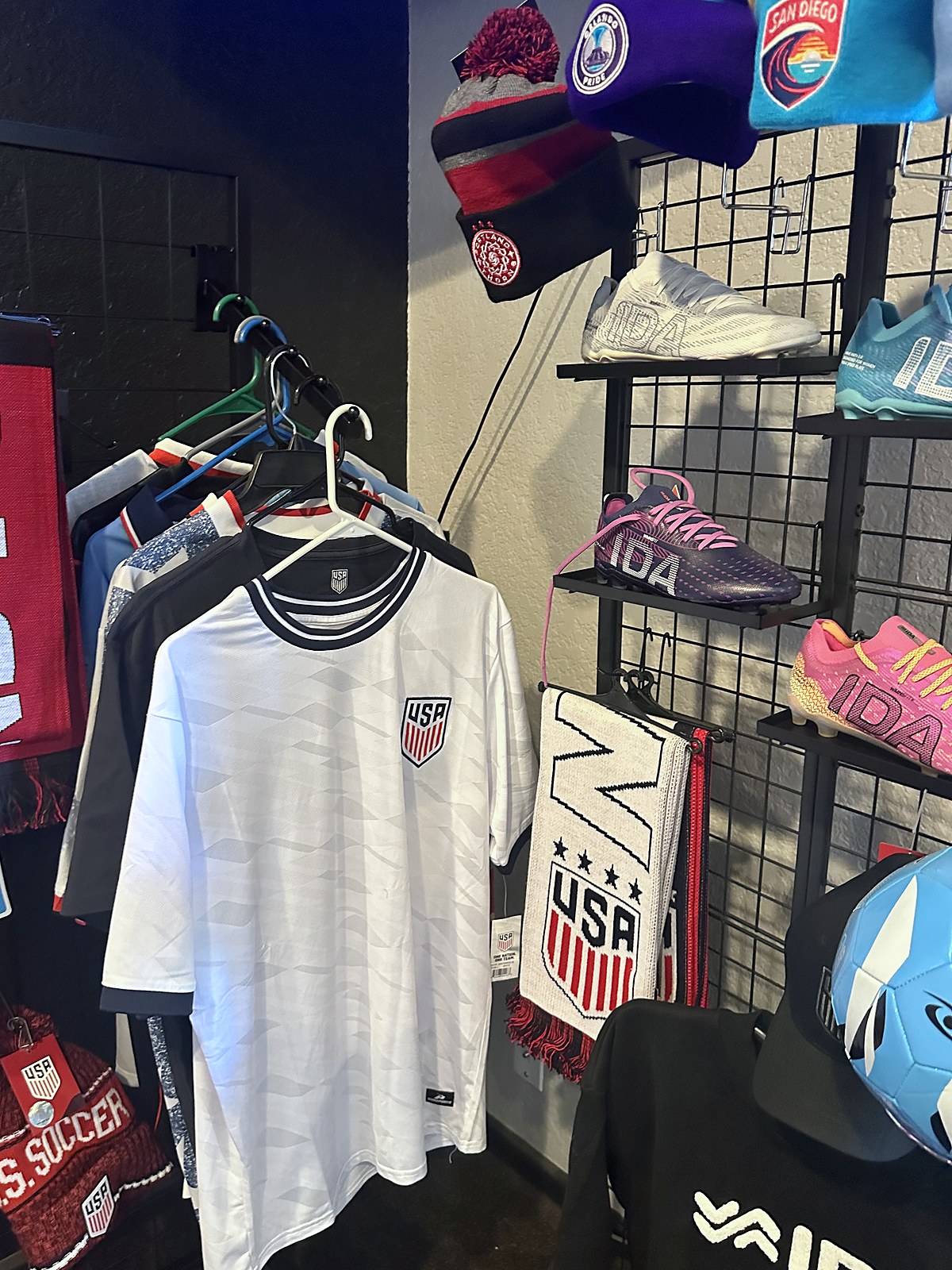
That is part of why partnerships with women-centered performance brands matter. At AMH Goods, the focus on access to women’s-specific gear is about giving players a better starting point, not just a bigger catalog.
A smart way to narrow it down
If you feel stuck, keep the decision simple. Start with your main surface. Then think about your foot shape. Then consider whether you want a more cushioned feel or a more barefoot feel. After that, the best option usually becomes much clearer.
If possible, pay attention to what has gone wrong in past cleats. Did your heel slip? Did your toes go numb? Did the sole feel too harsh on turf? Your old pair probably tells you more than any ad campaign will.
The right cleats should let you stop thinking about your feet once the game starts. That is really the target. Not hype, not status, not copying somebody else’s setup – just gear that supports how you play and feels right every time you lace up.
If you’re choosing your next pair, trust comfort more than trends. The game asks enough from women players already. Your cleats should at least meet you where you are and help you play forward.