
























A lot of players know the feeling right away – the heel slips, the forefoot feels cramped, or the studs just do not seem to match how you move. That is why the conversation around womens cleats versus unisex cleats matters more than ever. This is not about labels for the sake of labels. It is about fit, comfort, confidence, and having gear that actually supports the way you play.
For years, many soccer players were told that unisex cleats were close enough. Sometimes they were. Sometimes they were simply the only option on the wall. But as the women’s game keeps growing at every level, from youth clubs to college programs to packed stadiums on the biggest stages, more players and families are asking a better question: what happens when cleats are designed with female athletes in mind from the start?
Womens Cleats Versus Unisex Cleats: What is the actual difference?
The biggest difference is not color, branding, or marketing language. It is shape. In many cases, unisex cleats have historically been built around a men’s foot model and then offered as the standard option for everyone. For some players, that can work fine. For many women and girls, it can create small fit issues that become big problems over the course of a season.
Women’s-specific cleats are typically designed around foot dimensions and movement patterns more common among female athletes. That can mean a narrower heel, different arch considerations, and a forefoot shape that fits more naturally. The goal is not to claim every woman has the same foot. It is to create a starting point that is closer to the needs of many female players.
That distinction matters because soccer cleats are not casual shoes. They are performance gear. When the fit is off, players may start compensating without realizing it. They lace tighter, change socks, or size up and hope for the best. Sometimes those workarounds get them through training. They do not always create the best playing experience.
Why unisex cleats still work for some players
There is no need to pretend unisex cleats are automatically wrong. Plenty of women wear them and play well in them. Some players have wider feet, some prefer a roomier fit, and some simply love the feel of a particular model. If a unisex cleat fits well, feels secure, and performs the way you need it to, that is a valid choice.
This is where the conversation needs some honesty. The issue is not that every unisex cleat is bad for women. The issue is that unisex has often been treated as the default, even when it is not the best match. More options create a better market, not a narrower one.
For parents buying for growing players, this can be especially important. A daughter who says her cleats feel uncomfortable may not be picky. She may be reacting to a shape that does not match her foot well. That is worth taking seriously, especially during busy seasons with multiple practices and weekend games.
Fit changes everything on the field
A cleat that fits well does more than feel good in the store. It affects how stable you feel when cutting, accelerating, planting, and striking the ball. If your heel lifts too much, you may feel less locked in during sharp movement. If the toe box is too tight, you may lose comfort and confidence as the match goes on.
That is one reason this category matters for everyday players, not just elite ones. You do not need to be playing in front of thousands of fans for fit to matter. It matters at rec practice, in ECNL, in high school matches, and during Sunday league games. Soccer asks a lot from your feet, and the right cleat should work with you instead of forcing constant adjustment.
There is also the simple fact that comfort influences confidence. Players play freer when they are not thinking about their shoes. They can focus on timing a run, tracking back, or hitting a clean first touch instead of wondering whether their heel is about to slip again.
Womens cleats versus unisex cleats in youth soccer
This topic hits especially hard in youth soccer because younger players are still figuring out what “good fit” even means. A lot of families shop by size first, price second, and hope the rest works out. That makes sense. Kids grow fast, and gear adds up quickly.
Still, if a girl is playing regularly, the shape of the cleat deserves attention. Many youth players spend years in hand-me-downs or generic options that were never built with them in mind. That does not mean every child needs a premium model. It does mean the right fit can make the game more comfortable and more enjoyable.
For families trying to decide, it helps to watch for a few clear signs. Heel slipping, pressure along the sides of the forefoot, having to lace extremely tight, or complaints that cleats feel fine at first and painful later are all clues worth noticing. Those are not always size problems. Sometimes they are shape problems.
What to look for when choosing between the two
Start with fit, not category. A women’s-specific cleat should not win by default any more than a unisex cleat should. The real question is which one matches the player’s foot and playing needs better.
Heel lockdown is a good place to begin. If the heel moves too much inside the shoe, the fit may be too loose in a key area. Then check forefoot comfort. Your foot should feel secure, but not squeezed. There should also be enough room for natural movement without sliding around.
Position and playing style matter too, but not as much as many people think. A defender, midfielder, and forward all need a stable, comfortable fit. Material, stud pattern, and field type can shape the final decision, but none of those features can make up for a cleat that does not fit right.
If you are shopping online, knowing your past cleat fit history helps. Ask simple questions. Did your last pair rub at the heel? Did you feel cramped through the toes? Did you size up just to make them wearable? Those answers can tell you a lot about whether trying a women’s-specific model makes sense.
Why this shift matters beyond one pair of cleats
The growth of women’s soccer should show up in more than highlight reels and jersey sales. It should show up in products that reflect the people actually playing the game. When female athletes have better access to properly designed gear, that is not a niche win. That is part of building a better soccer culture.
This is one reason brands and retailers that invest in women’s-specific equipment matter. They are not just adding another product line. They are recognizing that players deserve options that reflect their needs. That shift benefits serious competitors, young players finding their footing, and parents trying to buy smarter for the season ahead.
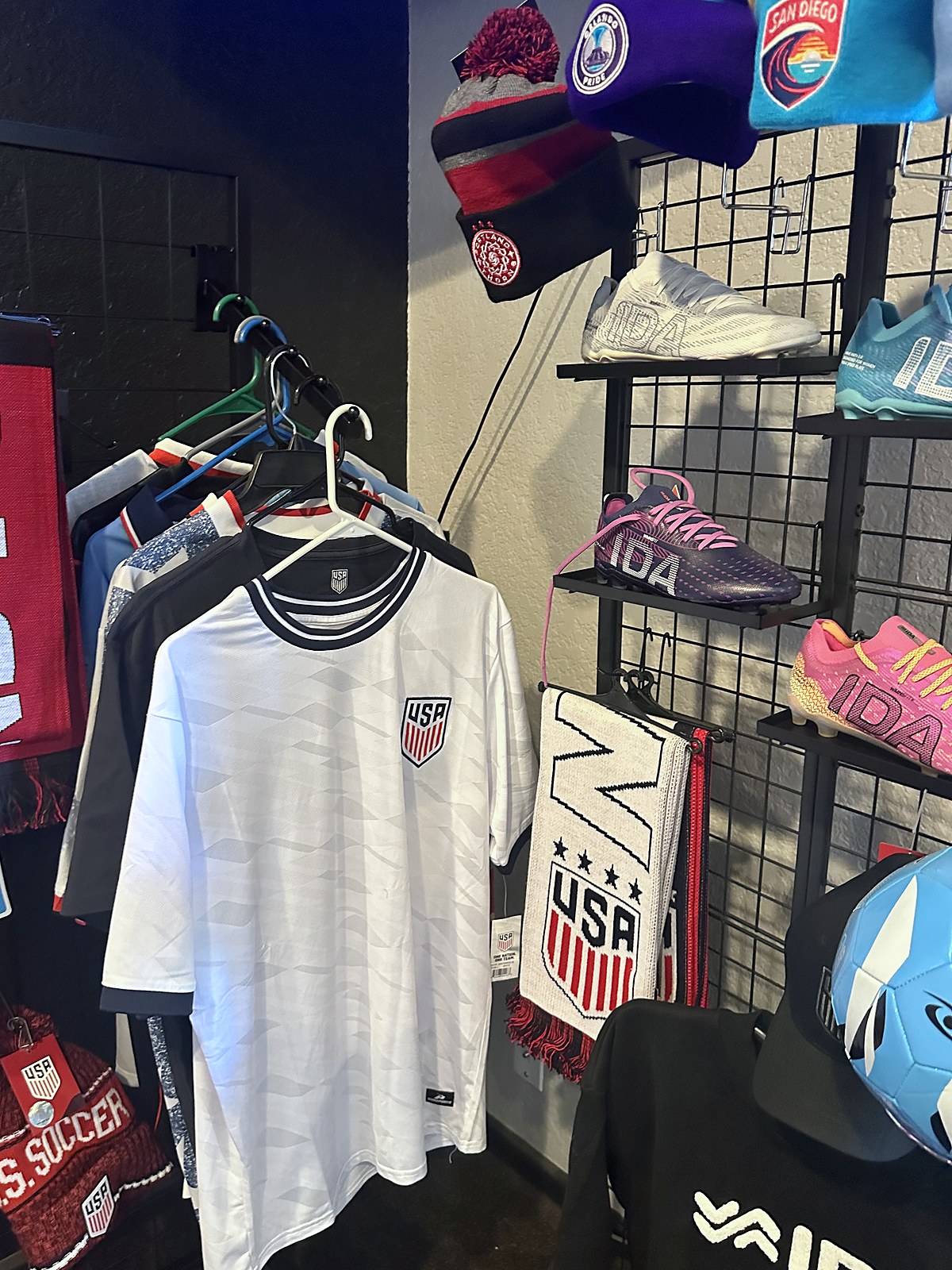
At AMH Goods, that mission is part of the bigger picture – making soccer gear more accessible while helping grow the women’s game with products that serve female players more intentionally.
The best choice is the one that fits your game
There is no single winner in womens cleats versus unisex cleats because feet are not all the same. Some players will continue to love a unisex model. Others will finally try a women’s-specific cleat and wonder why they were expected to settle for less in the first place.
What matters is having a real choice and knowing what to pay attention to. Look past the label for a minute and focus on the experience inside the cleat. Does it feel secure? Does it feel natural? Can you imagine playing a full match without thinking about your feet every few minutes?
That is usually your answer. When cleats fit the way they should, the game opens up a little more – and that is something every player deserves.