
























The fastest way to ruin a good match is to spend 90 minutes thinking about your feet. Blisters, heel slip, stud pressure, and cramped toes can turn even the best-looking boots into a problem. That is exactly why a women’s soccer cleat guide matters – not as a style exercise, but as a real performance and comfort decision for players, parents, and anyone buying for the season ahead.
For years, too many players were expected to wear cleats built around a men’s fit standard and just make it work. Sometimes that works well enough. Often, it does not. Women’s feet are not simply smaller versions of men’s feet, and that difference shows up quickly when a boot feels unstable through the heel, too roomy in the midfoot, or awkward under pressure. A better fit is not a luxury. It is part of feeling confident when the game speeds up.
What makes a women’s soccer cleat guide different?
A useful guide starts with one truth: fit comes first. Color, player endorsement, and brand loyalty all matter less than whether the cleat actually matches the shape of the foot wearing it.
Women’s-specific soccer cleats are designed with female athletes in mind, often with a narrower heel, a more secure midfoot, and a shape that better reflects how many women’s feet are built. That does not mean every woman must wear a women’s-specific model, or that every unisex option is wrong. It means the starting point should be better, and the options should reflect the player rather than asking the player to adapt.
This matters even more for younger players. If a girl is learning the game, moving into club soccer, or training several times a week, poor fit becomes a repeat issue. A little discomfort in the first session can turn into real frustration by the third week of the season.
Start with fit, not hype
The cleat that works for a winger at the highest level might not be the right choice for a center back in high school or a 10-year-old in rec. Position, age, playing surface, and foot shape all change the answer.
The first thing to check is overall shape. Some cleats run narrow through the forefoot. Others feel more forgiving across the toes. If a player has a wider forefoot, forcing a speed boot that is built to feel ultra-snug can create hot spots and pressure. On the other hand, if a player has a slim foot, a roomier leather-style fit may feel unstable during cuts and sprints.
Heel lockdown is another big one. If the heel lifts every time the player accelerates, the cleat is not doing its job. Many players assume they need to size down when the real issue is shape, not length. A shorter cleat can create toe pain while still failing to hold the heel correctly.
There should be a close fit, but not a punishing one. Toes should not jam into the front on stops, and the foot should not slide around inside the upper. Good cleats feel secure. Great ones disappear once the game starts.
How to choose the right stud pattern
Traction is where smart buying can save a lot of trial and error. The wrong outsole for the wrong field can make a solid cleat feel uncomfortable or unpredictable.
Firm ground cleats
Firm ground cleats are the most common choice for U.S. players. They are built for natural grass fields that are dry or slightly damp. If a player moves between school games, club matches, and weekend training on regular grass, this is usually the starting point.
Artificial ground cleats
Artificial ground cleats are made for modern turf and tend to spread pressure more evenly. For players spending most of their time on artificial surfaces, this can be a smarter and more comfortable pick than forcing a firm ground plate onto turf. The trade-off is simple: they may not feel as aggressive on natural grass, but they are often kinder on the feet over long sessions on synthetic fields.
Turf shoes
Turf shoes have shorter rubber nubs and are best for older turf styles, small-sided games, and training. They are not the right choice for every match setting, but they can be ideal for practice, coaching, and players who spend a lot of time on hard surfaces.
Material changes the feel
Upper material affects touch, break-in time, and comfort. It also affects how quickly a cleat starts to feel like it belongs to the player.
Synthetic uppers tend to feel lighter and more structured. They usually hold their shape well and can appeal to players who want a more responsive, speed-focused fit. Some synthetic models feel game-ready out of the box, while others need a few sessions to soften up.
Leather or leather-like options often feel more forgiving and mold nicely to the foot. That can be a major advantage for players who value comfort or need a little more give across the forefoot. The trade-off is that softer materials may stretch more over time, so the fit on day one should still feel secure.
If a player is choosing between two good options, the better question is not which material is more advanced. It is which one suits her foot and how she plays.
Sizing mistakes players make all the time
The biggest mistake is buying based on casual shoe size and stopping there. Soccer cleats fit differently than everyday sneakers. A player may wear one size in running shoes and another in cleats, especially across brands.
The second mistake is buying too much room for growth. Parents understandably want value out of a purchase, but oversized cleats can affect balance, comfort, and confidence on the ball. A little space is one thing. Obvious extra length is another.
The third mistake is judging the fit before the sock situation is right. Try cleats with the same type of soccer sock the player actually wears. If orthotics or grip socks are part of the setup, those need to be in the fitting process too.
A smart fit check looks like this: heel locked down, toes close but not smashed, midfoot secure, and no pinching that gets worse when moving side to side.
A women’s soccer cleat guide for different player needs
Not every player wants the same thing from a boot, and that is where the buying decision gets easier once you stop chasing a one-size-fits-all answer.
For younger players
Comfort and stability matter more than flashy tech. A cleat should feel easy to wear, simple to break in, and durable enough for training, games, and the chaos of the season. Parents should prioritize fit and surface type over pro-level marketing.
For competitive players
As the game gets faster, the details matter more. Competitive players often notice whether a cleat feels responsive in cuts, secure under pressure, and consistent over multiple sessions a week. This is also where women’s-specific design can make a real difference, especially for players who have spent years compromising on fit.
For wide feet or hard-to-fit feet
This is where patience matters. A boot that is labeled popular is not automatically the right one. Players with wider forefeet, narrower heels, or recurring pressure points should focus on shape first and be willing to pass on a model that looks great but feels wrong after ten minutes.
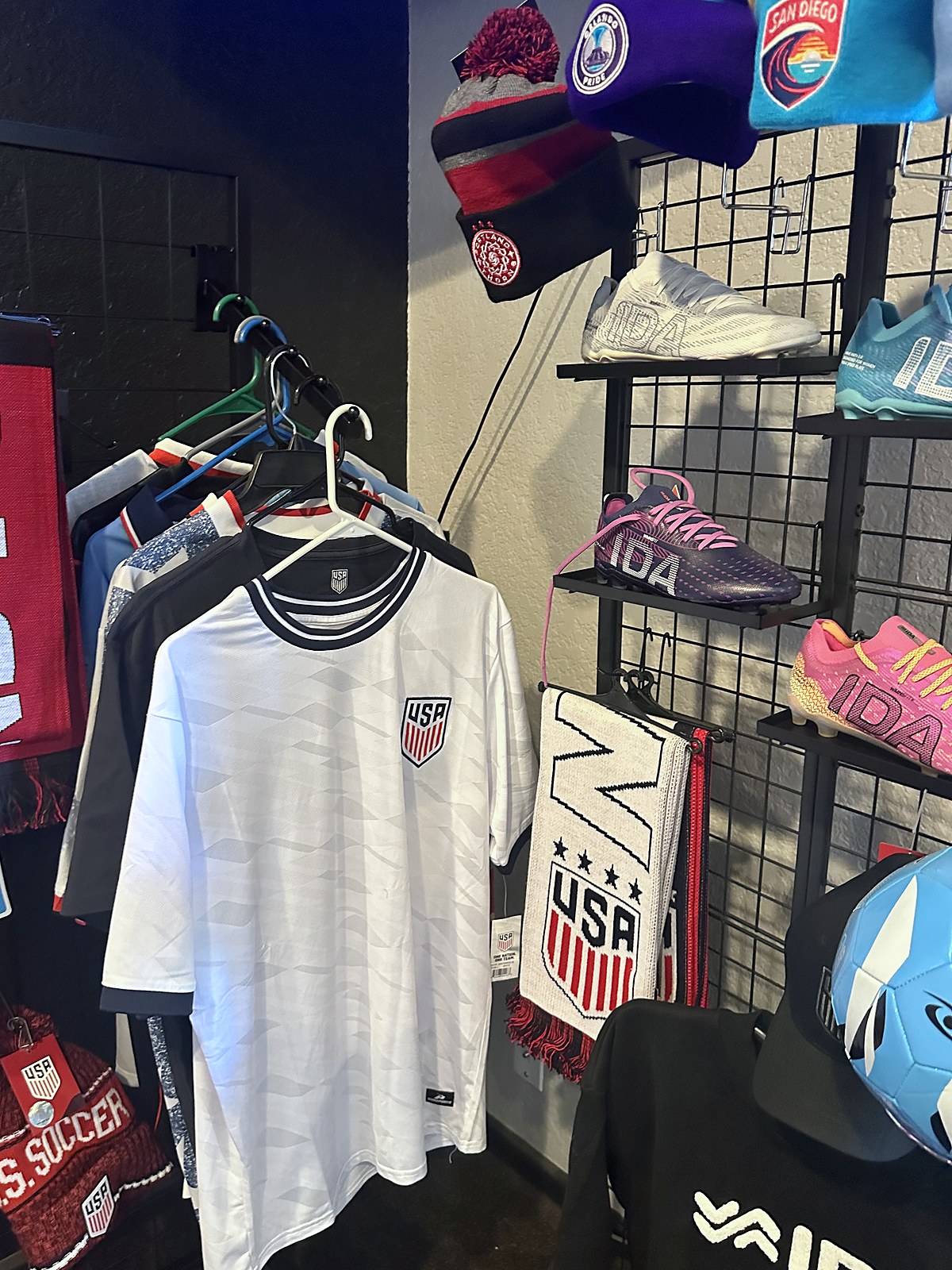
That is one reason purpose-built options from brands focused on female athletes, including IDA Sports, deserve attention. They reflect a shift the game has needed for a long time: women should not have to settle for gear that was never really designed around them in the first place.
When to replace your cleats
Cleats do not need to be falling apart to be done. If the upper has stretched so much that the foot moves around, if the outsole feels dead, or if stud wear has changed traction, performance can drop before the damage looks dramatic.
Discomfort is another signal. If a cleat that once felt reliable suddenly causes hot spots or instability, the fit may have changed as the material broke down. Growing players should be checked even more often because the cleat may be fine while the foot is not the same size anymore.
What actually matters most
The best cleat is the one that lets the player stop thinking about the cleat. It should support movement, match the playing surface, and fit the foot that is wearing it – not the foot a brand assumed by default.
That is a big part of growing the game the right way. Better access to women’s gear is not only about more options on a shelf. It is about respecting players enough to give them equipment that reflects how they actually play, train, and compete.
If you are buying your first pair, replacing a worn-out favorite, or shopping for a daughter heading into a new season, trust comfort, shape, and surface over hype. When the fit is right, everything else in the game gets a little simpler.