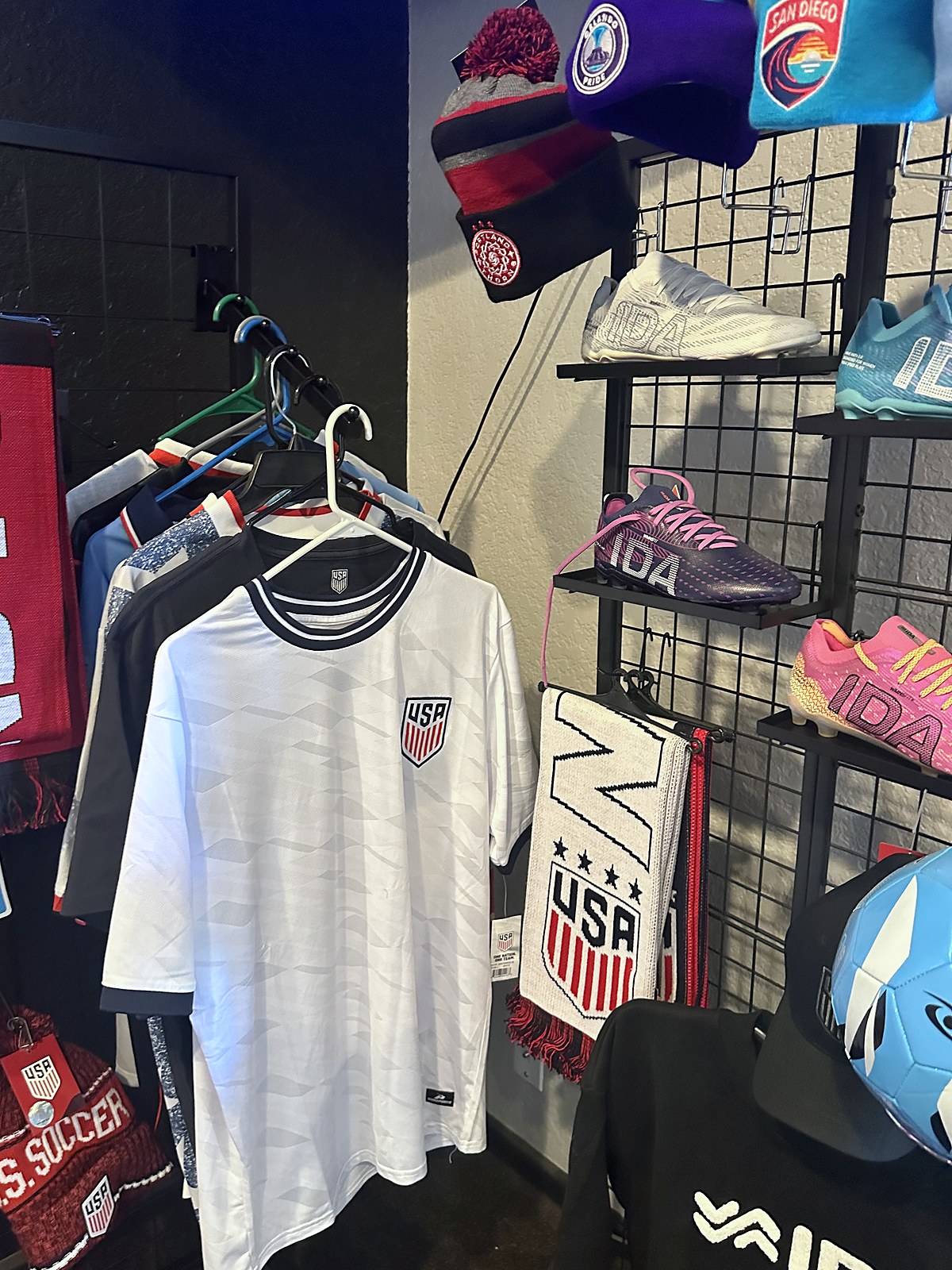

























A cleat can look right on the shelf and still feel wrong by halftime. For many women and girls, that familiar pressure across the forefoot, heel slip, or extra length at the toe has too often been treated as part of playing soccer. IDA Sports cleats start from a different idea: women deserve footwear designed with their feet and playing experience in mind.
That matters whether you are chasing a starting spot, playing in a weekend adult league, or packing a soccer bag for a young player with a full season ahead. A good cleat choice is not about chasing the flashiest colorway. It is about finding a fit that lets a player focus on the ball, the next run, and the joy of the game.
Why IDA Sports cleats are different
For years, women’s soccer players frequently had to choose from boots built on a standard men’s last, often with smaller sizes or a different color treatment. A last is the foot-shaped form used to build a shoe, so it has a real effect on the overall fit and shape of the finished cleat.
IDA Sports focuses on soccer footwear designed around women’s feet. That focus recognizes that fit is not simply about making a men’s cleat smaller. Foot shape, heel fit, volume, and the way a player wants a boot to feel can all influence the right choice. The result is a more intentional starting point for women and girls shopping for performance footwear.
That does not mean every player will want the same fit. Some players prefer a close, responsive feel for quick changes of direction. Others want a little more room through the forefoot, especially during longer matches or tournament weekends. The best cleat is personal, but having an option created with women in mind gives players more meaningful choice.
For families shopping for a growing player, this is especially valuable. Instead of treating discomfort as something a daughter must push through, parents can begin with the basic question every player deserves to ask: does this boot actually fit her foot and her game?
Start with fit, not the size on the box
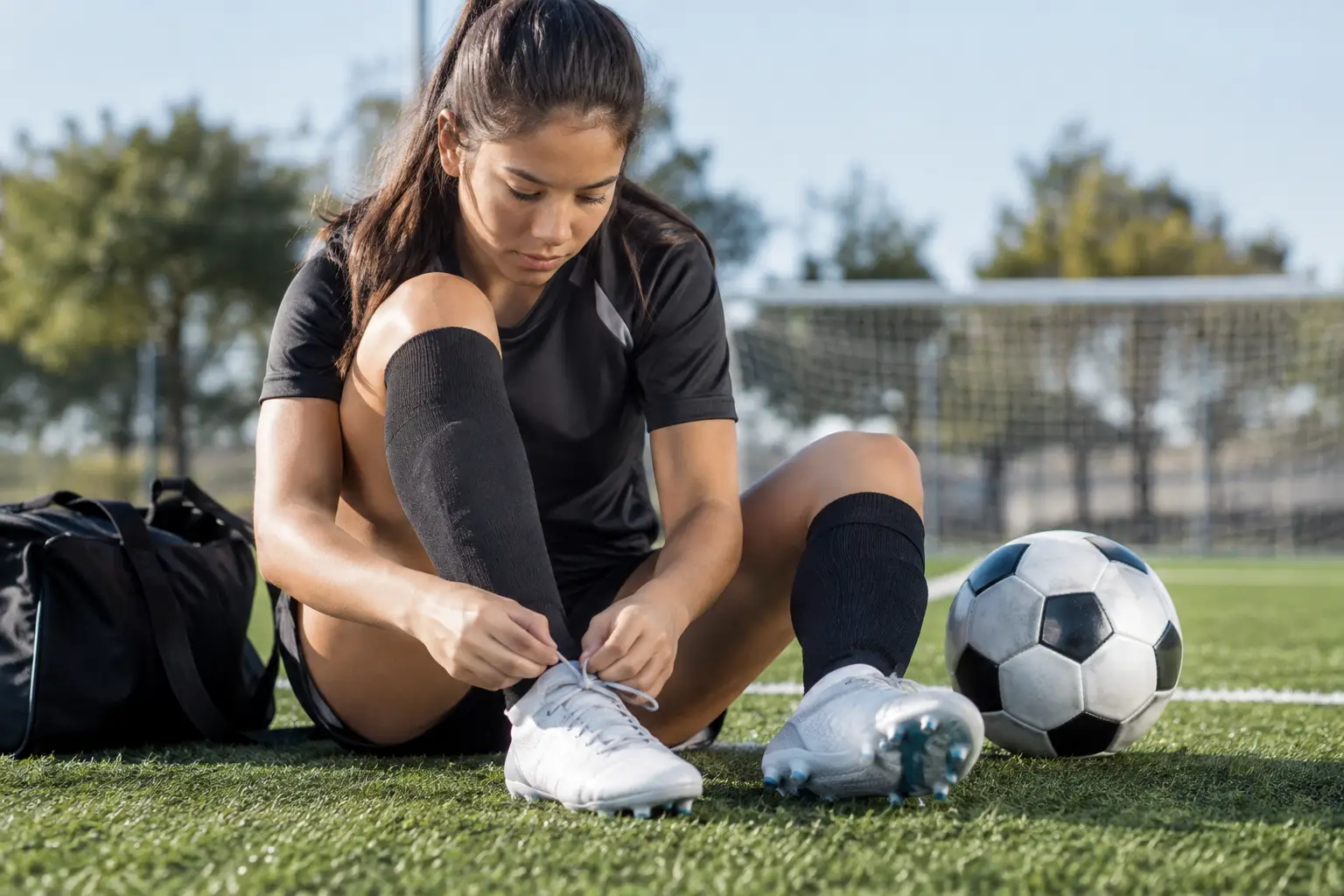
Soccer cleats should feel secure without feeling cramped. The upper may soften somewhat with wear depending on its material, but a painful fit at home rarely becomes a comfortable one on the field. When trying on a new pair, wear the socks you normally play in and test both boots, not just one.
Your heel should feel held in place as you walk, jog, and make a few controlled cuts. A small amount of room in front of the longest toe is helpful, but too much empty space can make a cleat feel unstable and affect touch on the ball. Pay attention to the widest part of the foot as well. If the upper pinches or creates hot spots before a training session, it is worth reassessing the fit.
For younger players, avoid sizing up too aggressively just to create extra growing room. A little room is sensible, but a cleat that is much too long can be harder to control and less comfortable. If a player is between sizes, the right decision depends on where the foot has room, how snug the boot feels at the heel, and how quickly they are growing.
What a helpful fit check looks like
Stand up fully laced, then walk and make a few soccer-specific movements. Check for heel lift, toe pressure, and any rubbing near the ankle or sides of the foot. If possible, simulate a pass by rolling the foot forward and shifting weight side to side. A cleat should feel connected to the foot, not like something the player is trying to keep on.
It also helps to try footwear later in the day or after activity, when feet may be slightly fuller. This is a practical detail that can make the fit test more realistic, particularly for players who train several times a week.
Match the cleat to the field
The playing surface deserves as much attention as the upper. The right stud pattern helps a player feel more comfortable and confident underfoot, while the wrong one can make a boot feel awkward for the surface being used.
Firm-ground cleats are a common choice for natural grass fields that are dry to moderately firm. Artificial-grass models are intended for synthetic turf, while turf shoes use many smaller rubber nubs and can work well for older, shorter turf or training surfaces. Indoor shoes have a flatter outsole for court play. Always check the product listing and your league or facility rules, because surface guidance can vary by model and field.
For a player who regularly moves between grass and turf, there may be a trade-off. One versatile pair can be convenient, but dedicated footwear for each surface may make more sense for players who train and compete frequently. A youth player with one or two practices a week may need something different from a high school or club player who rotates through multiple fields every weekend.
Choosing a feel that fits your game
Players often describe cleats in broad terms: speed-oriented, touch-focused, supportive, lightweight, or comfortable. Those labels can be useful, but they are not rules. A winger may love a close-fitting boot for fast movement, while a center back may want that same feel. A midfielder may prioritize ball contact, but another midfielder may simply want a cleat that stays comfortable through 90 minutes.
Look at the shape and materials rather than relying only on position-based advice. A more structured upper can feel more secure to some players. A softer, more flexible upper may suit players who want a more natural sensation around the ball. Lacing systems, collar shape, and upper material can all change the feel, so read the product details for the specific IDA Sports model you are considering.
Style belongs in the decision too. Soccer boots are part of a player’s identity, and feeling good in your gear can add to the excitement of match day. Still, color should be the final filter after fit, surface, and comfort. The best-looking cleat is the one a player is happy to wear for every sprint, tackle, pass, and celebration.
Breaking in new cleats without rushing it
New cleats deserve a gradual introduction. Start with short sessions at home, then a light practice or controlled ball work before wearing them for a full match. This gives the player time to notice pressure points and lets the upper adapt naturally to regular movement.
Avoid soaking boots or using extreme heat to force a break-in. Those shortcuts can affect materials and do not solve a cleat that is fundamentally the wrong size or shape. If discomfort stays sharp, persistent, or concentrated in one area after a few wears, stop treating it as a normal break-in issue and reassess the fit.
Care also helps preserve the boot’s feel. Brush off mud after grass sessions, allow cleats to air dry away from direct heat, and do not leave them in a hot car. For families juggling school, practice, and weekend games, even basic care can help a pair stay ready through a demanding season.
A meaningful choice for the women’s game
Choosing IDA Sports is about more than buying another piece of soccer equipment. It supports a larger shift in how the game serves women and girls: with products that acknowledge their needs rather than asking them to adapt to an old default.
At AMH Goods, that is part of why access matters. Players and families should be able to shop soccer gear with clear information, practical options, and respect for the fact that women’s soccer is not a side category. It is a vital part of the game, from neighborhood fields and youth clubs to packed stadiums and the professional stage.
The right cleat will not play the match for you. But a pair that fits thoughtfully can remove one distraction and leave more room for what players came to do: compete hard, create something special, and enjoy every minute on the field.